![[Fast-Drying Pet Feeding Mat] Splash-Proof, Absorbent, Easy to Cl...](https://m.media-amazon.com/images/I/41Lj5J43BgL._AC_.jpg)


Introduction to Gabion Baskets


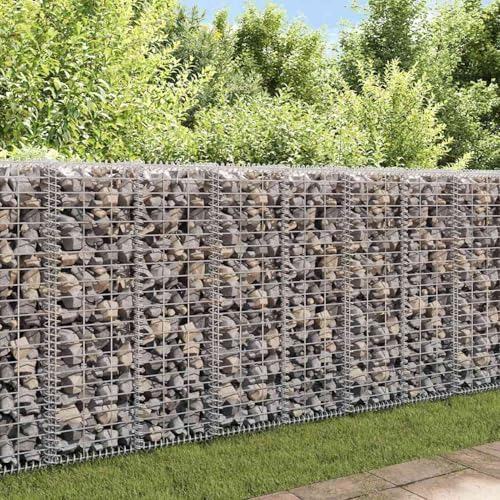


Gabion baskets are versatile structures made from wire mesh filled with rocks, concrete, or other materials, primarily utilized for engineering, landscaping, and construction purposes. Historically, the use of gabions dates back to ancient times when they served as protective barriers against erosion and floodwaters. Their design has evolved, but the core principle remains the same: to provide stability and containment through the use of durable materials.
In modern applications, gabion baskets are commonly employed for erosion control along riverbanks, as well as in landscape design to create retaining walls, decorative features, and even seating areas. Their porous structure allows for the natural flow of water, which minimizes the risk of water build-up, making them an effective solution in managing stormwater runoff and maintaining soil integrity.
When selecting gabion baskets, the materials used for both the mesh and the fill are crucial. The wire mesh is typically made from galvanized steel, stainless steel, or PVC-coated wire to enhance durability and resistance to corrosion. The filling materials can vary widely, with options including natural stones, recycled concrete, or even soil, depending on the project’s requirements and environmental considerations. Choosing the appropriate type of gabion basket is essential for ensuring the structure’s longevity and effectiveness in a given application.
The benefits of gabion baskets are numerous. They provide an eco-friendly solution by using natural materials, they are relatively cost-effective, and they require minimal maintenance once installed. Furthermore, their aesthetic appeal can complement a variety of landscapes. As more individuals and organizations recognize the advantages of gabion baskets, they increasingly become a preferred choice for a wide range of construction and landscaping projects across the United Kingdom.
Top Retailers and Suppliers in the UK
When searching for quality gabion baskets in the United Kingdom, consumers have several notable retailers and suppliers to consider. It is essential to evaluate each option based on location, product variety, price range, and customer service offerings. Below is a curated list of some of the top suppliers dedicated to providing gabion solutions.
One of the leading suppliers is Travis Perkins, a well-respected name in the construction and landscaping industries. They offer a range of gabion baskets suitable for various applications, from decorative landscaping to sturdy retaining walls. Customers can visit their physical stores across the UK or use their comprehensive online platform to place orders. Prices for gabion baskets through Travis Perkins typically range from £50 to £200, depending on size and material quality.
Wickes is another prominent DIY chain with an impressive selection of gabion baskets. They provide options for both bulk purchases and individual units, catering to professional landscapers and DIY enthusiasts alike. Wickes stands out with their customer service, and they also offer the convenience of online shopping along with in-store pickup. Expect to pay between £60 and £250 for various configurations of gabion baskets, making them a versatile choice for numerous projects.
For those seeking specialized products, LandscapePlus has an extensive catalog of landscaping supplies, including customized gabion baskets. They focus on environmentally friendly options, helping customers create aesthetically pleasing landscapes while being sustainable. LandscapePlus also provides detailed product descriptions and competitive pricing, often ranging from £75 to £300, depending on customization options. Customers can shop easily through their website for home delivery convenience.
In addition to these retailers, local garden centers and landscaping suppliers often carry gabion baskets. Shopping locally can yield valuable insights from knowledgeable staff, enhancing the buying experience. Researching customer reviews and ratings can further guide one’s decision when selecting the most suitable retailer for gabion baskets in the UK.
Factors to Consider When Buying Gabion Baskets
When embarking on the acquisition of gabion baskets in the United Kingdom, several critical factors warrant careful consideration to ensure the appropriate selection for specific needs. The first major consideration is the size and shape of the baskets, which can vary widely. Different applications, such as landscaping, retaining walls, or erosion control, may require distinct dimensions and forms. Therefore, consumers should assess the intended use of gabion baskets to decide on the ideal specifications that will fulfill their project requirements.
Another crucial aspect is the materials used in the construction of gabion baskets, specifically the wire mesh. Most commonly, baskets are made from galvanized steel or PVC-coated wire, which offer different degrees of durability and aesthetic appeal. The choice of material directly impacts not only the appearance but also the longevity of the baskets. In conjunction with material selection is the wire thickness. Thicker wire generally translates to greater durability and stronger support, particularly for heavy fill materials. Buyers should ensure that the wire thickness is compatible with their application to avoid future issues.
The expected lifespan of gabion baskets is also an essential factor to evaluate. When investing in gabion baskets, consumers should inquire about the manufacturer’s guarantees regarding the durability of their products, particularly in relation to environmental factors such as moisture and temperature changes. The corrosion resistance of the wire mesh is equally vital, as this will determine the baskets’ ability to withstand rust and degradation over time.
Lastly, compliance with UK regulations and standards for building materials should not be overlooked. Familiarity with these regulations ensures that the selected products are safe, durable, and suitable for their intended purposes. By considering these key factors, consumers will be better equipped to make informed purchasing decisions regarding gabion baskets.
Cost Analysis and Budgeting Tips
When considering the purchase of gabion baskets in the United Kingdom, a comprehensive cost analysis is essential to ensure that you make informed financial decisions. Prices for gabion baskets can vary significantly based on several factors including the supplier, material quality, and size of the baskets. Typically, prices can range from £5 to £30 per unit depending on these specifications. Additionally, bulk purchases often offer reduced pricing, which can significantly decrease overall project costs.
It is also vital to budget for the entire project rather than just the gabion baskets themselves. Installation, transportation, and filler materials can contribute substantially to the total expenditure. Transportation costs are often overlooked; depending on the distance from the supplier and the weight of the baskets, these costs can accumulate. Furthermore, filler materials such as stones, which can be used to fill the gabions, can range from £30 to £100 per ton, depending on the type of stone chosen.
To facilitate budgeting for larger projects, it is advisable to obtain quotes from multiple suppliers. This not only provides insight into the market rate but also opens opportunities for negotiating better pricing or finding discounts. Many suppliers offer special pricing for large orders or promotional discounts, especially during off-peak seasons. Utilizing online platforms that aggregate pricing from various suppliers can also streamline the process of finding the best deal.
In terms of installation, if you are considering hiring a professional service, obtaining several quotes beforehand will allow you to compare prices and services. Additionally, some suppliers may offer installation services as part of a package with the gabion baskets, which can result in cost savings. By carefully analyzing costs and budgeting for all aspects of the project, it is possible to make well-informed decisions that optimize your investment in gabion baskets.
Contact information — Please use contact form on http://www.abshot.com/contact/